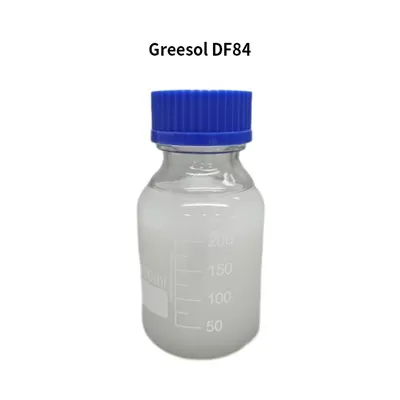
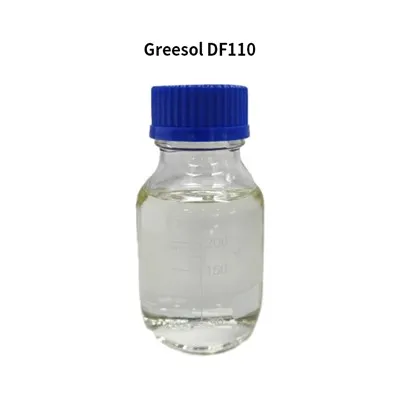
What are Antifoam Agents?
Antifoam agents are additives specifically designed to prevent or slow down the formation and accumulation of foam during production processes. By regulating surface tension, altering foam structure, or forming a stable film on the foam surface, these agents inhibit bubble generation and expansion, thereby reducing foam production.
Mechanism of Antifoam Agents
Antifoam agents function by forming a thin film on the liquid surface, which inhibits bubble formation and aggregation. They also alter the liquid's surface tension, making foam less likely to form or reducing its stability, causing it to collapse. Additionally, antifoam agents interact with the bubble walls, disrupting the expansion process and further inhibiting foam growth.
Characteristics and Advantages
- Effective Foam Suppression: Significantly reduces foam formation, especially in high-foaming systems.
- Long-term Stability: Remains effective under various production conditions (e.g., high temperature, high pressure), ensuring prolonged foam suppression.
- High Compatibility: Compatible with various liquid systems without causing adverse reactions or impacting other system properties.
- Cost Reduction: By preventing foam formation, antifoam agents reduce equipment wear, maintenance, and cleaning costs associated with excessive foam.
Application Scenarios
Antifoam agents are widely used in industries such as paper manufacturing, textiles, petrochemicals, coatings, food processing, and wastewater treatment. In these sectors, the use of antifoam agents effectively prevents production efficiency drops, product quality issues, and equipment failures caused by excessive foam, thereby enhancing the smoothness of the production process and the consistency of the final products.
Hot Tags: foam suppressants, China foam suppressants manufacturers, suppliers, factory, Bio based Dispersant, Fluorocarbon Leveling Agent, Medium To Low Pigment Carbon Black Dispersant, thickener, Cellulose Modified Thickener, Inorganic Pigment Dispersants